
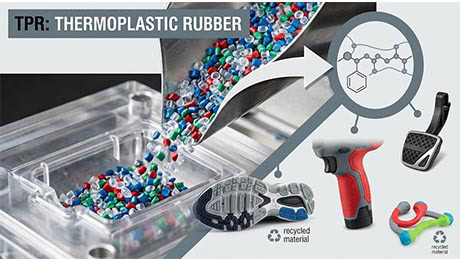
Is TPR material toxic? Learn about TPR safety, certifications, and how proper injection molding ensures non-toxic TPR products.
Thermoplastic Rubber (TPR) has become one of the most widely used materials in modern custom injection molding. From soft-touch grips, kitchen tools, and pet toys to medical devices and footwear, TPR provides the flexibility of rubber with the processing efficiency of plastic.
However, as consumer awareness regarding product safety grows, brand owners and purchasing managers frequently ask: Is TPR material toxic?
The short answer is no—pure, high-quality TPR material is non-toxic, safe, and eco-friendly. However, final product safety depends heavily on raw material sourcing, chemical additives, and processing controls during custom injection molding.
In this comprehensive guide, MINHUI breaks down the science behind TPR material safety, key certifications, and how precision manufacturing guarantees 100% non-toxic products.
What Is TPR Material Made Of?
To understand TPR material safety, we must first examine its chemical structure. Thermoplastic Rubber (TPR), often categorized alongside Thermoplastic Elastomers (TPE), is a physical blend of a hard thermoplastic (typically Polypropylene or Polystyrene) and a soft elastomer (usually SBS or SEBS rubber).
Unlike traditional vulcanized rubber, which requires chemical cross-linking agents during curing, TPR is formulated through mechanical blending. This unique molecular architecture gives TPR two major safety advantages:
- No Chemical Vulcanization: Because TPR sets through thermal cooling rather than chemical curing, it contains no heavy vulcanizing agents, sulfur compounds, or toxic accelerators.
- 100% Recyclability: Scrap TPR generated during injection molding can be re-melted and reused without releasing hazardous byproducts, making it an environmentally responsible choice.
Addressing Key Chemical Concerns: BPA, Phthalates, and Latex
When evaluating if TPR is safe for consumer and medical applications, buyers usually focus on three common hazardous substances:
Is TPR Latex-Free?
Yes, TPR is completely latex-free. Natural rubber latex contains proteins that can trigger severe allergic reactions (Type I hypersensitivities). Because TPR is synthesized entirely from synthetic polymers (SBS/SEBS), it carries zero risk of latex protein allergies. This makes TPR an ideal material for medical grips, dental equipment, and wearable accessories.
Does TPR Contain BPA?
Bisphenol A (BPA) is an endocrine disruptor commonly found in certain rigid plastics like polycarbonate. Food-grade and medical-grade TPR material formulations contain zero BPA. It is inherently free of bisphenols, rendering it safe for food-contact items and baby products.
Does TPR Contain Phthalates or Heavy Metals?
Standard medical and food-grade TPR resin contains no phthalate plasticizers, lead, cadmium, or heavy metals. While low-grade industrial rubber often relies on phthalates to achieve softness, high-quality TPR uses medical-grade mineral oils for plasticization, eliminating toxicity risks.
Crucial Safety Certifications for TPR Products
To verify that TPR material certification meets global regulatory standards, reputable manufacturers like MINHUI comply with rigorous international frameworks:
| Certification | Regulatory Focus & Application Scope |
| FDA Compliance | Food Contact Safety (21 CFR 177.2600) |
| REACH (EU) | Absence of Substances of Very High Concern (SVHCs) |
| RoHS (EU) | Restriction of Heavy Metals & Hazardous Chemicals |
| ISO 10993 | Biological Evaluation for Medical Device Materials |
- FDA Compliance: Ensures that TPR components intended for kitchenware, infant chew toys, or food processing equipment do not leach harmful compounds when exposed to oils or liquids.
- REACH & RoHS: Protect consumers from hazardous chemical exposure by restricting over 200 toxic substances, including heavy metals, flame retardants, and polycyclic aromatic hydrocarbons (PAHs).
How Custom Injection Molding Ensures Non-Toxic TPR Products
Even if raw TPR polymer is certified safe, poor manufacturing practices can introduce toxicity or structural defects. As an experienced OEM/ODM custom injection molding manufacturer, MINHUI enforces strict operational controls to preserve material purity.
1. Pure Raw Material Selection
Safety begins at the resin level. We source virgin TPR compounds exclusively from certified global material suppliers. By eliminating unverified recycled feedstocks in sensitive product lines, we prevent cross-contamination from unknown additives or heavy metals.
2. Precise Temperature Control
TPR degrades if exposed to excessive heat or prolonged residence time inside the injection barrel. Thermal degradation breaks down polymer chains, releasing volatile organic compounds (VOCs) and creating unpleasant odors.
Using advanced multi-zone temperature controls on our injection machinery, MINHUI maintains optimal processing melt temperatures (typically between 170°C and 210°C depending on the hard/soft phase ratio), ensuring zero thermal decomposition.
3. Mold Design & Degassing
Trapped gas inside the mold cavity can scorch the TPR surface, producing hazardous smoke or aesthetic burns. MINHUI’s engineering team designs high-precision molds with specialized venting channels to flush out air pockets effortlessly during high-speed injection cycles.
Quality Control Capabilities at MINHUI
Ensuring consistent TPR material safety requires more than just clean machines—it demands a robust quality management system.
MINHUI operates under a certified ISO 9001 Quality Management System, integrating strict quality control protocols across every stage of production:
- Raw Material Inspection (IQC): Every batch of TPR resin undergoes melt flow index (MFI) testing and batch certification cross-checks before entering our clean storage facility.
- In-Process Quality Assurance (IPQA): Automated optical inspection (AOI) and sensor-monitored injection parameters ensure defect-free molding and consistent Shore hardness.
- Biocompatibility & Leaching Tests: We partner with accredited third-party laboratories (SGS, TÜV) to perform regular REACH, RoHS, and FDA leaching compliance audits on finished products.
Partnering with MINHUI for Safe TPR Manufacturing
So, is TPR material toxic? When sourced from certified raw materials and processed under precise injection molding conditions, TPR is non-toxic, latex-free, BPA-free, and safe for daily human contact.
Whether you are designing ergonomic power tool handles, medical device components, infant accessories, or pet products, material safety is non-negotiable.
At MINHUI, our technical engineering team leverages decades of tooling and custom injection molding expertise, supported by ISO 9001 quality systems, to turn your design concepts into compliant, high-performance, and non-toxic TPR products.
Looking to manufacture safe, custom-molded TPR components for your brand?
Contact MINHUI today to consult with our material engineers or request a fast, competitive project quote!

