
In the world of plastic manufacturing, customers often confuse Two-color injection molding (also known as 2K or Double-shot molding) with Overmolding. While both processes combine two different materials or colors into a single part, they differ significantly in terms of production efficiency, mold design, and equipment requirements.
Understanding these differences is crucial for choosing the most cost-effective production method for your specific project.
Understanding Two-color Vertical Injection Molding
Two-color molding is a sophisticated process where two different plastic materials are injected into the same machine during a single cycle. The final product is ejected only once.
- How it Works: This process requires a specialized two color vertical injection molding machine. The mold usually consists of two stationary halves (cavities) and two identical rotating halves (cores).
- The Process: After the first material is injected, the mold rotates or shifts to align with the second injection unit. The second material is then injected over the first, creating a permanent bond.
- Key Advantages:
- High Precision: Since the part never leaves the mold between injections, there is zero displacement, ensuring extremely tight tolerances.
- Maximum Efficiency: The process is fully automated and much faster than manual methods, making it ideal for high-volume production.
- Superior Bonding: Because the materials are often joined while the first shot is still warm, the molecular bond is exceptionally strong.
Understanding the Overmolding Process
Overmolding is a two-step process where the materials are molded separately. The part is ejected from one mold and then placed into another to receive the second layer.
- How it Works: This method does not require a specialized two-color machine; standard vertical injection molding machines are typically used. It involves two completely independent sets of molds.
- The Process: First, a “substrate” or base part is molded. Once cooled, it is removed (either manually or by a robot) and placed into a second mold, where the second material is injected over it.
- Key Advantages:
- Lower Initial Investment: You can use existing standard machinery without purchasing expensive specialized 2K equipment.
- Flexibility: It is perfect for small-batch production, prototyping, or parts that are too large for standard two-color machines.
Comparison Two-color Molding vs Overmolding
To help you visualize the differences, refer to the comparison table below:
| Feature | Two-color Molding (2K / Double-shot) | Overmolding (Secondary Molding) |
| Equipment | Specialized Two-color vertical machine | Standard vertical injection machine |
| Mold Setup | 1 Complex mold (with rotating/index plates) | 2 Separate, independent molds |
| Production Cycle | Single cycle (Fast) | Two separate cycles (Slower) |
| Accuracy | Extreme precision (No manual handling) | Moderate (Dependent on placement) |
| Best For | High-volume, high-precision components | Low-volume, prototyping, or large parts |
Technical Guidance for Your Project
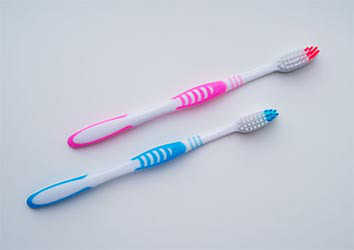
The choice between these two methods depends largely on your production volume and precision requirements. If you are manufacturing high-frequency consumer goods like precision electronic connectors, toothbrush handles, or multi-colored grips, the two-color process is the industry standard for reducing per-unit costs.
MINHUI, a leading expert in injection molding technology, offers high-performance two color vertical injection molding machines designed specifically for these high-precision needs. Our vertical clamping systems are engineered to handle complex inserts while maintaining a compact footprint and reducing defect rates.
Conversely, if your product involves a very large overmolded area or if the two materials have vastly different melting points that require separate cooling times, overmolding may offer the production flexibility you need.
Conclusion
Two-color machines represent the ultimate balance of speed and precision, while overmolding offers a flexible, low-entry-cost alternative. By identifying your project’s unique requirements, you can leverage MINHUI’s advanced injection solutions to find the most competitive path for your business.

