
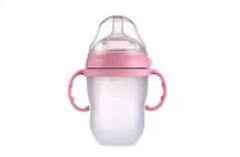
If you are in the manufacturing industry, you have probably noticed that Liquid Silicone Rubber (LSR) is everywhere—from baby pacifiers to medical devices and automotive seals. It is heat-resistant, incredibly flexible, and highly durable. But how exactly does it go from a raw liquid into a precision molded part?
Let MINHUI walk you through the core steps of the LSR injection molding process.

It All Starts with the Perfect Mix
Unlike standard plastics that you simply melt down, LSR is a two-part liquid system (usually called Part A and Part B). The secret to a perfect silicone product lies in the mixing. Inside the machine, these two liquids are pumped together in a strict 1:1 ratio. If your product needs a specific color, the pigment is also carefully injected at this stage. Getting this mix exactly right is crucial—if the ratio is off, the silicone won’t cure properly.

The Injection and Curing Process
Once mixed, the material is pushed by a screw into the mold. Here is where LSR differs from traditional plastics: it doesn’t cool down to harden. Instead, the mold is heated, and the liquid silicone undergoes a thermal cross-linking reaction, curing into its solid, flexible shape.
During this phase, precision is everything. As soon as the mold is filled, a sealing needle valve shuts off instantly. Liquid silicone flows very easily, so this valve is critical to prevent any material from leaking out, ensuring a clean process and reducing waste.
Why the Right Machine Matters
The quality of your final Liquid Silicone Rubber product heavily depends on the equipment. You need a highly accurate feeding system, a perfectly machined mold, and a reliable core injection unit.
Furthermore, LSR is frequently used to encapsulate or overmold other components (like metal inserts or hard plastics) to achieve waterproof or dustproof features. For these types of insert molding tasks, a vertical injection molding setup is often the most practical and efficient choice, giving operators the stability and precision needed to load inserts accurately.

