
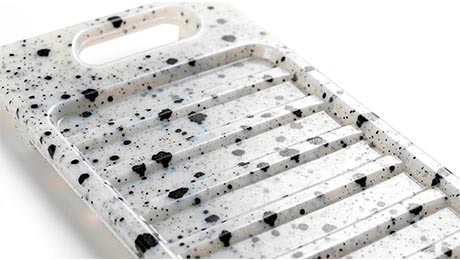
Injection molding is a core process for converting thermoplastic materials into precision-engineered products. However, during production, it is common to encounter defects, with one of the most persistent issues being black spots in injection molding. These flaws not only compromise the product’s appearance but also indicate underlying process issues. As a professional manufacturer of vertical injection molding machines, we will analyze the root causes and solutions from four key areas.

1. Machine Factors Causing Black Spots in Injection Molding
The injection molding machine is the heart of the process, and its condition directly impacts melt quality.
- Abnormal Temperature Control: A malfunctioning heating control system can lead to the barrel overheating. When plastic remains at excessively high temperatures for too long, it undergoes thermal degradation and carbonization, forming black specks.
- Wear and Defects of the Screw and Barrel: Wear on the screw flights or inner barrel wall can create dead spots where molten plastic becomes trapped and degrades over time due to prolonged heating. Issues with the screw tip assembly can also cause material to hang up and degrade.
- Material Charring: Certain heat-sensitive plastics (like ABS) can cross-link and char if they remain in the barrel for too long. These charred particles do not melt properly and become incorporated into the final part.
2. Mold Factors
The mold’s design and condition are equally important for preventing defects.
- Inadequate Venting: If air trapped inside the cavity cannot escape during high-speed filling, it becomes highly compressed, causing a temperature spike (diesel effect) that burns the surrounding plastic and results in localized black marks.
- Improper Gating System Design: Gates or runners that are too small can generate excessive shear heat as the molten plastic is forced through them. This high shear can break down the plastic’s molecular chains, leading to degradation.
- Improper Use of Auxiliary Agents: The overuse or residue of oil-based lubricants or mold release agents inside the mold can carbonize at high temperatures, contaminating the part surface.
3. Material Factors (Raw Materials)
The quality of the raw material is fundamental to the quality of the final product.
- Material Contamination: Plastic pellets can be contaminated by dust, oil, or other foreign particles during transportation, storage, or handling.
- Excessive Moisture or Volatile Content: Inadequate drying of the material results in high moisture content. In the molten state, this can cause hydrolysis of the plastic, leading to reduced strength and discoloration.
- Improper Use of Regrind: Using too high a percentage of regrind (recycled material) can introduce impurities and degraded material into the process.
4. Processing Factors
Incorrect process parameters are a direct cause of many molding defects.
- Excessive Pressure and Speed: Setting the injection pressure or speed too high significantly increases the shear rate, generating excessive frictional heat and causing thermal degradation.
- Improper Back Pressure and Screw Speed: Excessive back pressure or screw speed also creates intense shear, which can overheat the plastic.
- Inadequate Barrel Cleaning: Failure to thoroughly clean the barrel and screw after material changes can leave behind residue, which can then degrade and contaminate subsequent production runs.
Conclusion: Solving Black Spots in Injection Molding
The problem of black spots in injection molding is typically the result of multiple contributing factors. Solving this issue requires a systematic troubleshooting approach, covering everything from machine maintenance and mold optimization to raw material control and precise adjustment of processing parameters. A scientific and meticulous analysis is key to improving product yield and ensuring stable, efficient production.

